

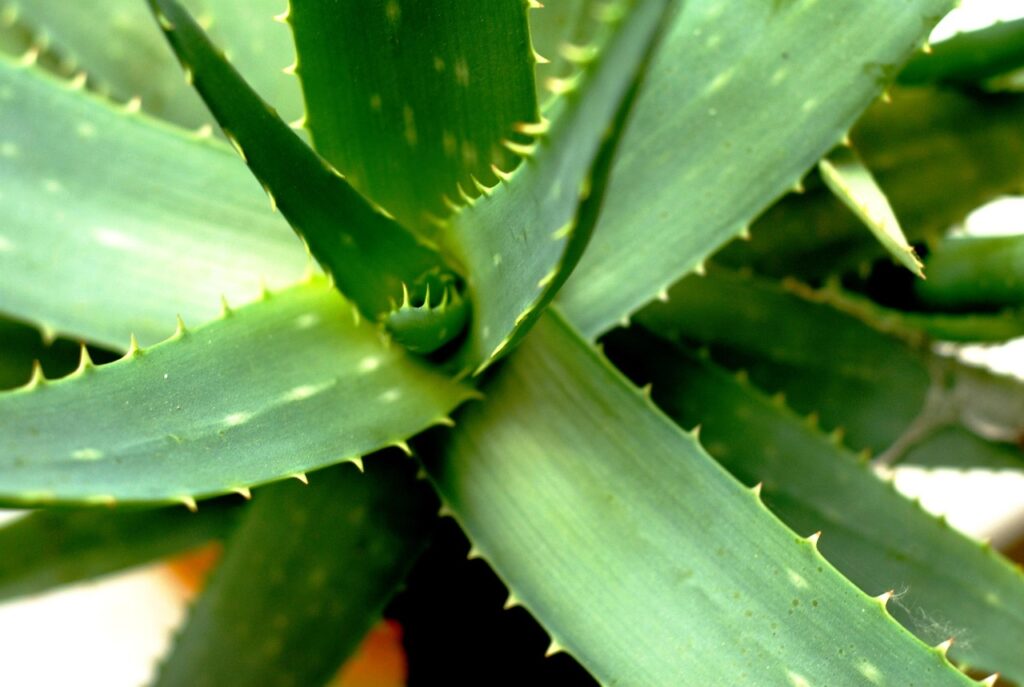
Aloe Vera gel is used for its hydrating, anti-in-flammatory, and healing properties, primarily for skin issues like sunburns, minor cuts, acne, and dryness, but also for hair health and digestive issues when taken orally, due to its rich vitamins, minerals, enzymes, and antioxidants that soothe irritation, promote collagen, and fight bacteria.
What is the raw material of Aloe Vera Gel ?
The gel consists primarily of water and the rest includes various vitamins, amino acids, enzymes, hormones, minerals and sugars, most of which are found in the human body. Aloe Vera leaves secretor clear gel that when broken off from the rest of the plant that can be applied topically to heal wounds and soothe skin.
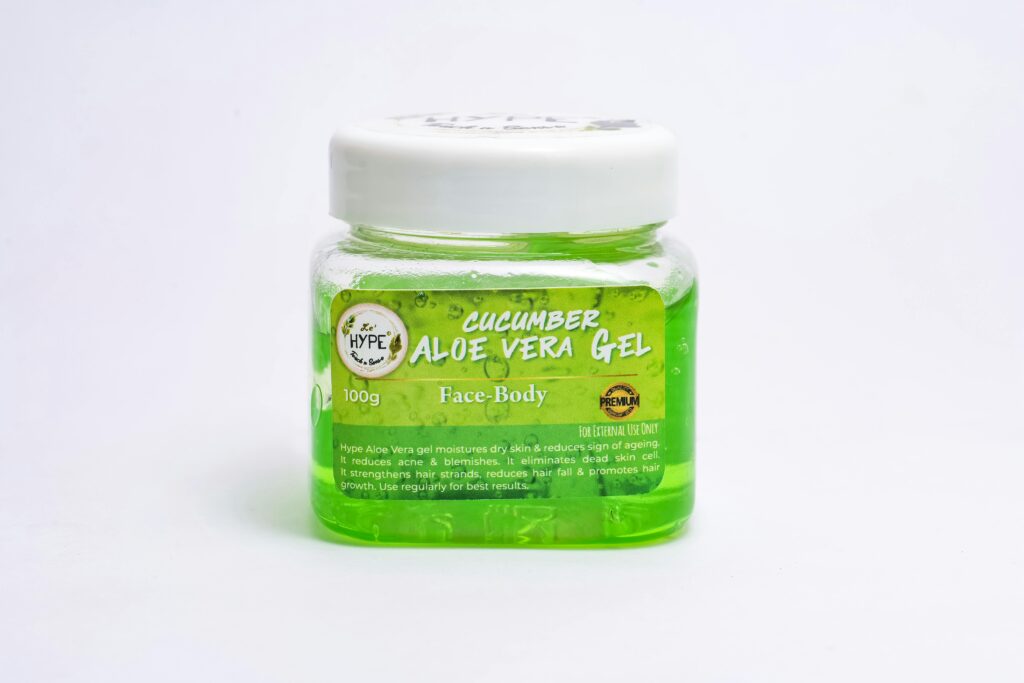
Ingredients & Tools
- Mature, thick Aloe Vera leaves.
- Knife, vegetable peeler, spoon.
- Blender (optional)
- Airtight containers (glass is best)
- Vitamin E oil, Vitamin C powder, or citric acid (for preservation).
Step-by-Step Guide
- Harvest & Prep Leaves: Choose thick, green leaves. When them well and cut off the thorny edges. Slice the leaf in half or peel off the top layer to expose the gel.
- Drain the Latex: Let the leaf sit cut-side down for 10-15 minutes to drain the yellow aloin (latex), which can irritate skin.
- Scoop the Gel: Scrape out the clear, jelly-like pulp with a spoon, avoiding the green skin.
- Blend: Blend the gel for 30-60 seconds until smooth and frothy; this creates a more usable, lump-free gel.
- Add Preservatives: Mix in a pinch of Vitamin C powder or a few drops of Vitamin E oil and maybe 1/4 tsp of cirtic acid per cup of gel, stirring well to distribute.
- Store: Pour into clean, airtight glass jars. Refrigerate for up-to 2 to 4 weeks. For longer storage, freeze in ice cube trays, then transfer frozen cubes to a freezer bag for up to 6-12 months.
